Fire and emergency situation wardens rarely make headings, yet their choices in the very first two to 5 mins of an occurrence form every little thing that adheres to. A calm voice on the , the ideal call on whether to evacuate or sanctuary in place, a quick move that locates someone in a back workplace, a tidy handover to participating in solutions. That is the point of a great emergency warden course: to turn individuals who respect their associates and work environment right into an efficient emergency situation control organisation that knows its structure, practices its strategy, and acts without hesitation.
If you are considering a warden course on your own or your group, you will likely encounter 2 country wide identified units of expertise: PUAFER005 and PUAFER006. The initial focuses on running as component of an emergency situation control organisation, the 2nd on leading one as the chief or deputy chief warden. Both map very closely to Australian Standards and typical work environment risk profiles, and both can be provided one-on-one, on-line with functional elements, or as combined training. The formats vary, but the core intent does not: develop proficiency you can depend on when alarms sound and information is messy.
What the function actually involves
The phrase emergency warden appears significant, yet most of the task happens before anything goes wrong. Wardens learn the building, the systems, and individuals. They know which doors are secured by maglocks, which occupants have mobility aids, which areas run hot on a summer season mid-day, and the length of time it requires to get rid of the west staircase under tons. When an alarm journeys, they do not presume. They adhere to a strategy the team has tested.
During an incident, wardens function as the eyes and hands of the chief warden. They inspect their zones, help people move, silence rumours, and record what they see. The chief warden, working with from the emergency control point, determines whether to evacuate or isolate, guides wardens to look or defend in position, liaises with the fire brigade or various other -responders, and takes care of the stress of partial info. The device descriptors capture this neatly. PUAFER005: operate as component of an emergency situation control organisation. PUAFER006: lead an emergency control organisation.
The work draws on clear communication, a stable temperament, and a sensible understanding of structure systems. People skills matter as much as technical understanding. I have actually seen seasoned wardens prevent a crush in a great smoky corridor by simply repositioning themselves and informing individuals, one at a time, that they have time and space. That takes method, not theory.
chief wardenHow PUAFER005 and PUAFER006 map to your workplace
PUAFER005, often called the fire warden course or emergency warden training, fits floor wardens, location wardens, replacements, and any kind of staff that will act upon directions from the principal. It usually covers the emergency strategy, alarm system types and signals, emptying paths, wardens' responsibilities throughout different scenarios, communication procedures, and post occurrence debriefs. There is generally a practical component: running a sweep, using a warden intercom phone, leading a simulated evacuation, and identifying hazards.
PUAFER006, the chief warden course, builds on that. The training goes much deeper on choice production, sychronisation under stress, and legal obligations. The chief warden training additionally concentrates on planning drills, choosing and rundown wardens, keeping equipment preparedness, and leading an emergency situation control organisation when the very first 5 radio calls can be found in at once and each has a different variation of occasions. Numerous suppliers pack PUAFER005 and PUAFER006 for those entering management for the first time. If you already hold PUAFER005, expect the PUAFER006 course to press you on scenario job and quick judgments as info changes.
Both programs straighten with usual fire warden training requirements seen in conformity audits: evidence of expertise, normal refresher course training, and drills suitable to the website. Regularity depends on threat account and regulative assumptions, however a useful drill every 6 to one year and refresher training every 1 to 2 years prevails throughout industries. Healthcare, hazardous production, and high possessions usually train regularly, or run targeted workouts for side cases like after hours events or lift entrapments.
What to expect on the day
A typical warden training emergency warden course runs half a day for PUAFER005, and a half to complete day for PUAFER006 depending upon depth and site complexity. Training normally opens up with an introduction of legislation and requirements, but great facilitators keep it limited and promptly move into the building reality. They will certainly request a duplicate of your emergency strategy and reveal you exactly how your site deals with alarm system phases, plant closures, and lockout points. Expect sharp inquiries. Which stairwell ends up being stuffed initially? Do you have a refuge area for movement damaged owners? That holds the after hours get in touch with checklist, and how is it maintained current?
You will spend time with floor plans. Not simply exits and setting up areas, but exactly how smoke actions, which doors are on smoke discovery, and where control boards sit. You will learn the signals and what they indicate in your system. You should handle a warden intercom if the building has one, and method short, clear messages. On great courses, duty play scenarios start early, then repeat with intricacy included: power blackout plus discharge, a heat detector activation near the kitchen, a false alarm throughout rain, a genuine medical emergency during a drill. This is where the value lies. You reach feel the tempo of an event, and you discover the tempo of interaction that assists people follow you as opposed to overwhelm you with detail.
Practical sessions typically include sweeps of a flooring or zone, door control using the rear of your hand, shutting against smoke, examining washrooms and storage rooms, and accompanying individuals that withstand guidelines. The tail end, handling resistance, is treated seriously. In every drill, someone intends to end up an email or telephone. You learn company, respectful language and when to escalate to security or the chief warden.
Assessment for PUAFER005 is usually a mix of short understanding checks and observed efficiency: properly using the warden identifier, understanding signals, following the pecking order, reporting clearly, and completing a move. For PUAFER006, you will certainly be assessed on command choices, charging wardens, managing clashing info, making use of the emergency situation control point tools, and communicating with exterior responders.
The kit: hats, vests, boards, and radios
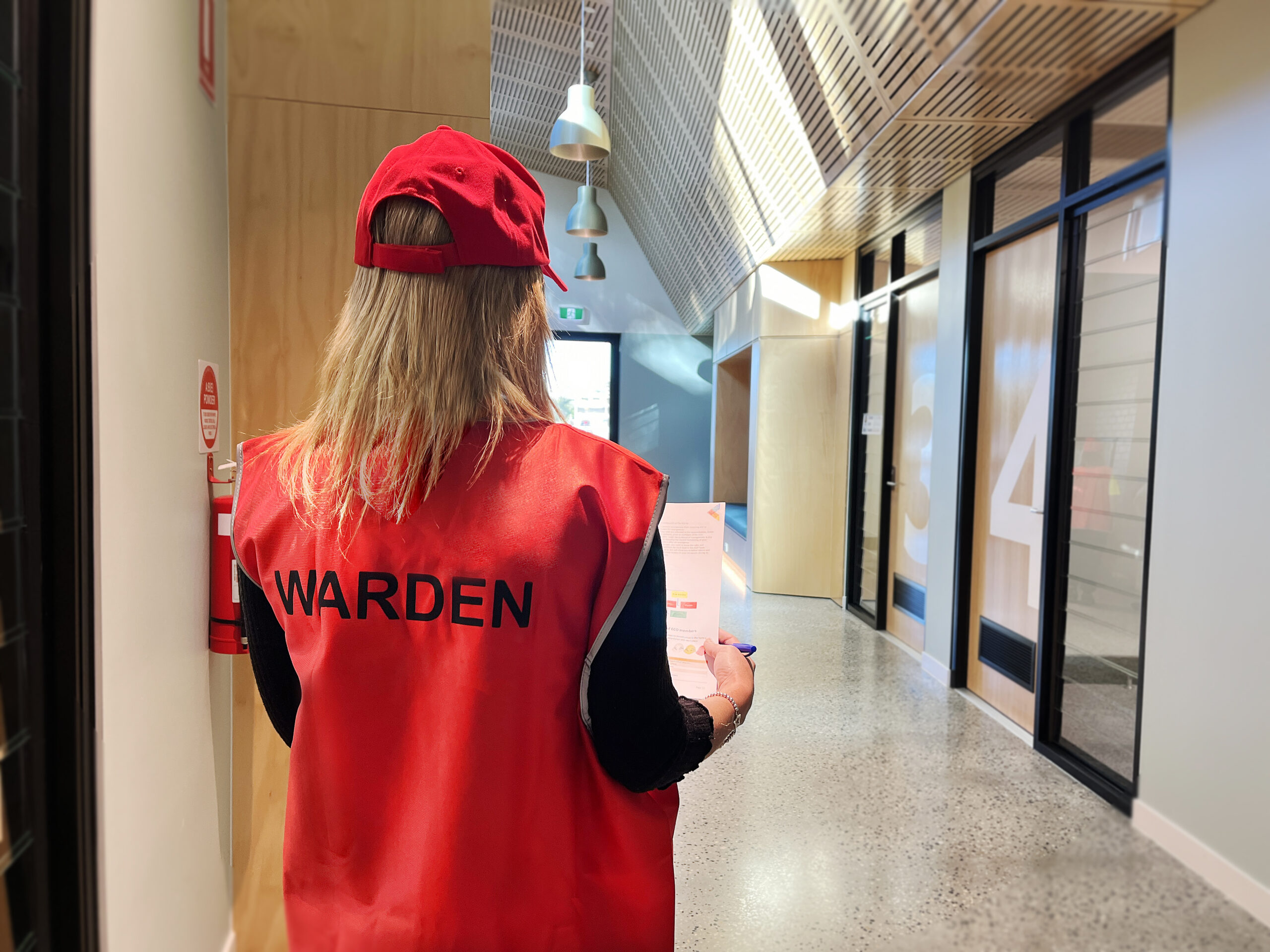
Yes, the hat colour concern comes up in every class. Fire warden hat colour varies by website and provider, however most follow a useful convention attracted from Australian assistance. Wardens generally use red. Communications or emergency treatment support may use environment-friendly. The chief warden hat or helmet is typically white, and the replacement chief is frequently yellow. If you ask what colour helmet a chief warden wears, the most usual response across facilities is white. The aim is very easy identification, not style. If your structure makes use of vests rather than helmets, the exact same colour reasoning usually uses. Maintain the identifiers clean, available, and regular throughout tenants.
Radios or warden intercom phones are the following concern. Radio discipline is a found out ability. Brief transmissions, telephone call indications as opposed to names, no overlap with emergency solutions channels, and a fallback if a device falls short. I have actually seen radio clutter thwart a drill quicker than any kind of other variable. Someone handles the network, acknowledges reports, and routes website traffic. Everybody else talks just when they have something material. If your structure utilizes a public address system, train a common intonation and a set of simple language messages, then adjust as needed.
Many principal wardens lug a control panel or folder with layout, a list of wardens by area, tricks or fobs for secured locations, a torch, spare batteries, and an incident log sheet. Maintain it light enough to make use of while standing. Overpacking is appealing and counterproductive. The best setups fit on a clipboard, and the rest remains at the control point.
Fire warden needs that shock first timers
New wardens commonly anticipate smoke and fires. In truth, the most typical events you will certainly manage are alarm system activations with no noticeable fire, clinical events, power disturbances, and human factors like jammed stairwells or obstructed departure courses. Cooking smoke from a kitchen space, aerosol near a detector, dust from maintenance, a welder's work after hours, also insect ingress can set off detectors. The task is to deal with every signal seriously while avoiding panic.
Fire warden needs in the office generally consist of being physically able to traverse staircases, a willingness to participate in training and drills, and schedule throughout core hours. If your roster leaves entire zones unmanned on Fridays, solution that at the planning stage. Include after hours insurance coverage if your building has substantial tenancy beyond company hours. Several chief wardens build a small pool of educated back ups to cover leave and flexible job patterns, after that test them in drills.
The 2nd shock is how much the warden role converges with availability. Discharge chairs, raising strategies, pal systems, and sanctuary areas need careful preparation and practice. Never guess someone's requirements. Have personal discussions before an occurrence, after that document the agreed approach and examination it in drills with sensitivity. For high rise buildings, stage evacuation approaches, where some floorings hold while others relocate, position a costs on communication and patience.
Legal and standards context, without the jargon
The units PUAFER005 and PUAFER006 belong to a wider framework that expects workplaces to prepare for and manage near emergencies. Depending upon your jurisdiction, Australian Standards, developing codes, and workplace health and wellness regulation established the standard. The specifics alter with the building class and tenancy. What stays constant is the need to have an emergency situation plan, educate your emergency control organisation, and run workouts at practical periods. Regulatory authorities and insurance companies seek records of training, attendance sheets for drills, and evidence that you reviewed lessons discovered and made changes.

Fire warden training demands are not box ticking. Quality auditors will ask what changed after the last drill and why. Did you change the assembly location after a roadway closure? Did you add a radio repeater after finding a dead area in the cellar? Did you turn wardens across zones so more than someone knows each area? The solutions tell them whether your emergency warden training lives or stale.
Preparing for the training course: useful steps
Turning up is insufficient. You will certainly obtain extra from your warden course if you get here with context and a couple of specifics.
- Walk your zone a couple of days in advance, note exits, stairwells, doors on hold open, fire tools, and most likely choke points. Try to find blocked courses and report them. Read your emergency situation plan, a minimum of the parts covering duties, signals, evacuation courses, and the chain of command. Mark anything that is unclear. Ask HR or centers for a checklist of residents who may need aid. You do not need names if privacy is a worry, but you should recognize whether the risk exists in your zone. Check just how you will be gotten in touch with during a case. Confirm radio allocation, batteries, and a fallback if the initial plan fails. Dress for motion. Shut footwear, pockets for a small note pad and pen, and a phone on quiet that you will not examine during functional sessions.
That brief prep work transforms the training course from abstract material right into a rehearsal for your real building.
Inside the evaluations: what "skilled" looks like
For PUAFER005, assessors wish to see you can:
- Interpret alarm systems and signals and react within website procedures. Sweep your area methodically, inspect high risk spaces, close doors against smoke, and report your area clear without delay. Communicate clearly, use call indications, and prevent clogging the channel. Assist people with varied demands pleasantly and effectively. Follow instructions from the chief warden and adapt if problems change.
For PUAFER006, capability consists of:
- Establishing control rapidly, verifying the nature of the incident, and deciding on emptying or isolation based on available information. Tasking wardens to certain activities, prioritising life safety, and preserving a common operating picture. Liaising with outside -responders, supplying concise, exact details, and handing over control smoothly when appropriate. Managing the blog post occurrence stage: head count reconciliation, event logging, and arranging debriefs with actionable outcomes.
These are evident behaviors. Instructors will certainly set scenarios you can do well in by applying the plan, not by guessing what the facilitator wants to hear.
Common blunders and exactly how to stay clear of them
I have evaluated dozens of drills and a fair share of actual occurrences. The same mistakes recur. Radio babble rises as anxiousness surges. Wardens run rather than stroll and miss areas. The chief warden attempts to do a move themselves and loses the control factor. Setting up locations slip closer to the structure over time because it feels convenient. Each has a fix.
Keep radio messages short. Never leave your zone till you commend one more warden or the principal reroutes you. The chief warden stays at the control factor unless the strategy defines or else. Protect assembly areas from drift by literally marking them and readjusting if site conditions alter. When you run a drill, aim for precision over rate initially. Speed follows after the group reveals it can implement the sequence without shortcuts.
Another refined error is treating all alarm systems the exact same. A clear understanding of the website's cause and effect matrix helps. Heat detectors in a plant space ought to cause a different psychological model than a smoke detector in a bathroom. Pre alarm or alert tones might require investigation, not emptying. Your emergency warden course need to show this nuance, after that make you practice it.
Integrating chief warden management with everyday operations
A solid chief warden sees training as component of the building's everyday rhythm. That person briefs brand-new wardens, schedules drills, and constructs connections with lessees and building administration. They know when a construction job will transform egress paths and upgrade the plan in advance. They collaborate with safety on after hours coverage. When an occupant generates a lab with brand-new risks, they change the emergency situation control organisation framework as necessary. PUAFER006 lead an emergency control organisation is not just a training course title, it is a work description.
Good principals also manage the human side. They recognise wardens that carry out well in drills, revolve jobs to construct skills, and safeguard wardens from duty fatigue. In large workplaces, running a chief fire warden course for replacements and most likely followers helps with connection. You do not desire your first day as a chief to be the day the lifts stop working and a smoke alarm goes off on degree 17.
How usually to refresh and what to practice
Competence fades without use, and structures modification. New fit outs alter airflow. Tenants shift head counts. A well run program establishes a refresh cadence. For a lot of office settings, refresher emergency warden training every 12 to 24 months, and discharge workouts at the very least each year, keeps abilities current. Include targeted workouts for situations likely in your center. If you have a child care centre on website, run a drill that involves strollers on stairs. If your stockroom has hazardous materials, method seclusion and communication around those dangers. If your plant relies on generators, mimic a power failure and see exactly how the security system behaves.
Include brief, concentrated toolbox talks between formal training. 5 minutes at the beginning of a month to remind wardens of radio etiquette or to highlight a change in door hardware goes a long method. Videotape these micro sessions, not to tick boxes, yet to develop a feedback loop that shows the program is active.
Answering regular concerns without fluff
People inquire about the chief warden hat colour due to the fact that they want to know who to look for. As kept in mind, most sites utilize white for the principal, yellow for deputy, red for wardens, green for emergency treatment. If your site varies, record it in the plan and show images throughout induction.
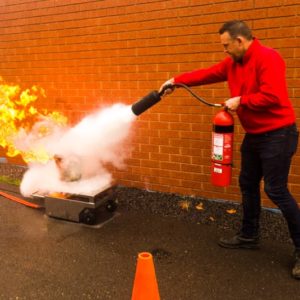
Another common inquiry is whether a warden can make use of a fire extinguisher. The right answer is of course, if trained and if it is safe to do so. The priority remains life safety and communication. The choice to extinguish a little incipient fire needs to not endanger emptying or place the warden in a placement they can not safely leave. Many carriers include fundamental extinguisher use in warden training or run it as a different component. The mnemonic PASS is practical, however I favor to see wardens exercise with non real-time systems and really feel the weight and discharge time.
People also ask what occurs if a warden is lacking. The emergency control organisation should not break down because a single person gets on leave. Cross training and a clear chain of succession belong to chief warden responsibilities. Place it in composing, brief the team, and examination it.
Choosing a supplier and tailoring the course
Not all courses land the same way. A good supplier requests for your emergency situation strategy and floor plans in advance, talks to facilities or the structure supervisor, and adapts content to your dangers. They run practical circumstances, not simply generic ones, and they offer a clear evaluation procedure that maps to PUAFER005 and PUAFER006 end results. Look for trainers that have taken care of real occurrences in comparable environments. They bring judgment and stories that stick. If you operate a complex website, demand a walk through prior to training, then schedule the sensible sessions on your floorings rather than in a class far from your plant.
For mixed tenancy structures, take into consideration a blended technique. Run a structure large drill yearly, then hold occupant certain sessions that resolve their formats and work patterns. Make sure warden identifiers, radio networks, and assembly areas are consistent across renters. If one company makes use of different hat colours, straighten them or risk confusion when it matters most.
What changes after a solid program takes root
The first indicator is peaceful self-confidence. Wardens know where to stand, just how to talk, and what to examine. Drills run without drama, yet they feel deliberate. Lessees see that the process is not theatre, and involvement enhances. Maintenance demands change: you get more records of blocked exits and damaged door closers due to the fact that people notice. The event log reveals fewer alarms brought on by preventable practices, like cooking under detectors, because word travels.
You likewise see better choices throughout uncertain events. A pale burning scent in an information room triggers a calculated feedback: isolate power, check out with 2 wardens, prepare to evacuate the flooring, inform the principal, and quick protection. No operating, no rumours. When the fire brigade arrives, the chief warden hands over a concise summary: alarm system time, areas entailed, actions taken, headcount status, and any kind of missing individuals. The brigade's task obtains simpler. Downtime drops.
That is the benefit of disciplined warden training. It is not almost passing an evaluation. It has to do with forming behavior and constructing a society where security is practical, not performative.
Final preparation list for program day
Use this straightforward pre program check to get here all set and make the most of your session.
- Confirm your role: warden or chief/deputy. If principal, read the PUAFER006 lead an emergency control organisation device describe your provider supplies. Bring or access your site's emergency plan and a current floor plan for your zone. Mark evacuation courses and the assembly area. Test the radio you will make use of on the day or ensure one will be offered. If utilizing a warden intercom phone, know where the phones are. Know who in your area might need assistance and the agreed technique. If uncertain, ask the chief warden prior to training. Clear your schedule for the complete period and brief your group that you will certainly be inaccessible. Emergencies do not pause for meetings.
Wardens who do the groundwork become individuals others look to when the space gets loud. Whether you are stepping into your initial warden course with PUAFER005 operate as part of an emergency control organisation, or preparing to take the chair with PUAFER006, the financial investment is moderate and the impact is real. The day you require it, you will rejoice you educated, rehearsed, and found out to lead.